
Key Takeaways
- IPL targets the dilated blood vessels behind rosacea redness, reducing flushing and visible vessels over time.
- Most people see noticeable improvement after 3-5 sessions spaced 4 weeks apart.
- IPL works best on Fitzpatrick skin types I-III; darker skin tones may benefit from alternatives like Cutera Excel V+.
- Avoiding sun exposure and light-sensitising products in the weeks before treatment improves results.
- A personalized consultation is the best way to determine the right approach for your skin.
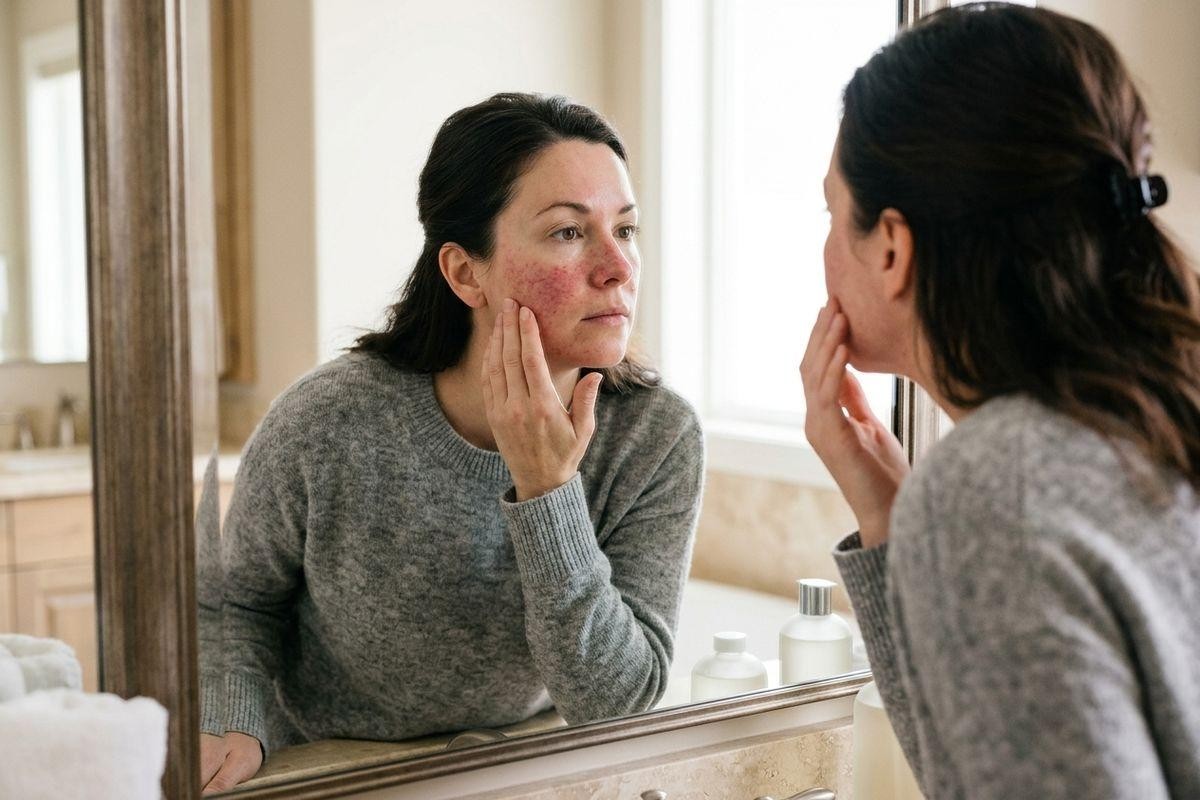
You wake up, look in the mirror, and the redness is there again. Maybe it flared after a glass of wine, a hot shower, or simply a stressful day. Rosacea has a way of showing up without warning, and no amount of green-tinted concealer really solves the problem underneath.
IPL treatment can help reduce the redness, flushing, and visible vessels that come with rosacea, often with meaningful improvement after just a few sessions. Here’s what you should know before booking a consultation at Elevate Eyes & Medical Esthetics, a medical esthetics clinic in London, ON.
What Rosacea Actually Does to Your Skin
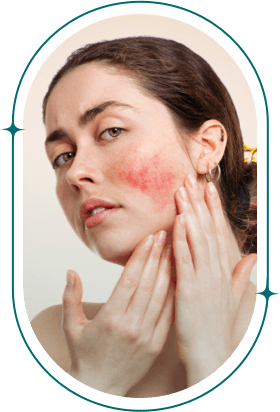
Rosacea is more than just a rosy flush. It causes persistent facial redness, visible blood vessels, and unpredictable flare-ups that can last weeks or even months at a stretch. Heat, spice, alcohol, and stress are common triggers, but flare-ups can also happen for no clear reason at all.
Because the redness comes and goes, many people assume it’s the result of a sensitive complexion or mistake it for acne. However, rosacea is actually a chronic vascular condition, meaning that the tiny blood vessels near the surface of your skin are chronically dilated and reactive. Treating those vessels directly is where IPL treatment makes a difference.
How IPL Treatment Works on Rosacea
What the Light Actually Targets
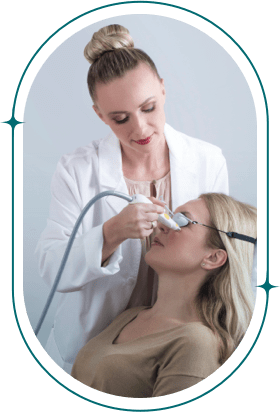
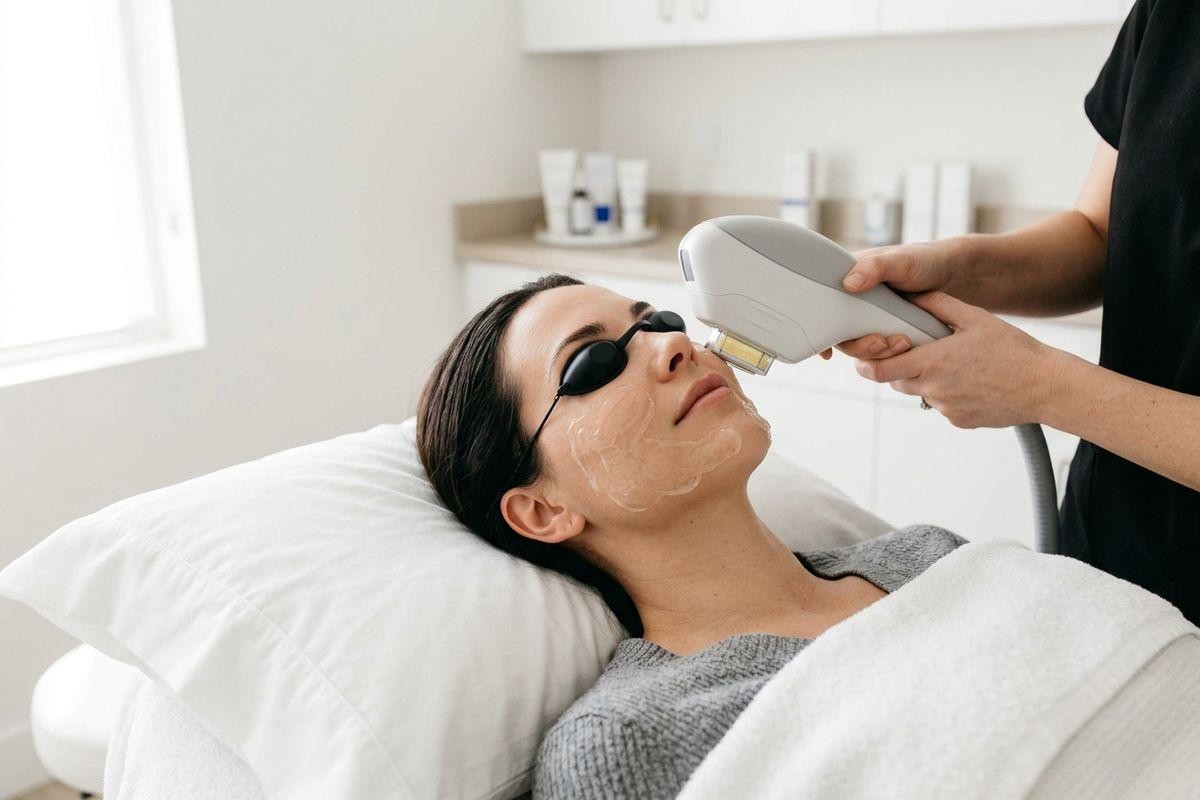
IPL stands for Intense Pulsed Light. During treatment, pulses of broad-spectrum light pass through the top layer of your skin and reach the dilated blood vessels sitting just beneath the surface. The light energy converts to heat, causing those vessels to constrict and gradually break down.
Over the following weeks, your body absorbs damaged vessels naturally. The result is less visible redness and fewer flushing episodes. The process is targeted, so the surrounding tissue is largely left alone.
The Collagen Bonus
Along with targeting blood vessels, the light energy from IPL also activates fibroblasts, the cells responsible for producing collagen in your skin. This means that, in addition to redness reduction, your skin texture should feel noticeably smoother after a series of sessions. It’s a secondary benefit, but one many people appreciate.
What to Expect Before, During & After IPL
Before Your Session
Preparation makes a difference in how your skin responds. Our team at Elevate Eyes & Medical Esthetics will ask you to avoid tanning, sunbeds, and any light-sensitising skincare products, like retinoids or exfoliating acids, in the weeks leading up to your appointment. Arriving with your natural, untanned skin tone helps the light target the right structures more accurately.
During & After Treatment
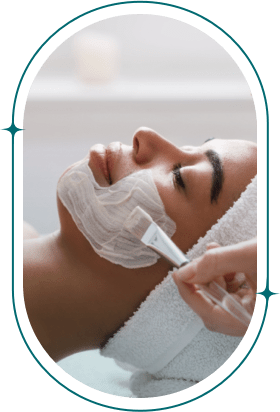
A cooling gel is applied to your skin before the session begins, which helps protect the surface of your skin and improve your overall comfort. The treatment itself typically takes between 15 and 30 minutes. You may feel a mild warmth or a light snapping sensation during the pulses. This is normal.
After your session, some redness or mild warmth in the treated area is common, but it generally fades within a few hours. Downtime is minimal for most people, so you can return to your regular routine fairly quickly. Our team will walk you through aftercare steps specific to your skin.
How Many Sessions & How Soon You’ll See Results
Most people need between 3 and 5 sessions, spaced roughly 4 weeks apart, to see meaningful improvement. Results tend to build gradually, so noticeable changes often start appearing after the second or third session rather than immediately. Periodic maintenance sessions can help sustain results over time.
As the sessions progress, redness tends to decrease, flare-ups can become less frequent, and the overall tone of your skin often begins to look more even. A personalized consultation can help map out a realistic timeline for your skin.
Who Is a Good Candidate for IPL Rosacea Treatment
Skin Types That Respond Well
IPL works by targeting the contrast between the blood vessels and the surrounding skin, so it tends to perform well on Fitzpatrick skin types I through III. These are lighter to medium skin tones. If you have fair to medium skin with visible redness or blood vessels, you’re likely in the range where IPL can deliver the most visible improvement.
When to Skip IPL
IPL is not recommended for darker skin tones or for anyone who has recently tanned, whether from the sun or a sunbed. The contrast that makes IPL so effective on lighter skin becomes a risk factor on darker tones, where the pigment can absorb too much light energy. Certain medications and active skin conditions may also affect whether IPL is appropriate for you.
If IPL isn’t the right fit, vascular laser treatments like Cutera Excel V+ can be a good alternative. They target the same vessels but with a different wavelength that works across a broader range of skin types. A consultation can help determine which technology fits your skin.
Take the Next Step Toward Calmer Skin
If you’re curious whether IPL is the right fit for your skin, Elevate Eyes & Medical Esthetics in London, ON can help you figure out the right approach. Our team can assess your skin, walk you through your options, including IPL, Cutera Excel V+, or a combined approach, and recommend the right path forward.
Contact us today to book your personalized consultation.