

Plenty of people describe their skin as sensitive without being certain what that means. The distinction matters, because reactive skin and plain dry skin call for different care.
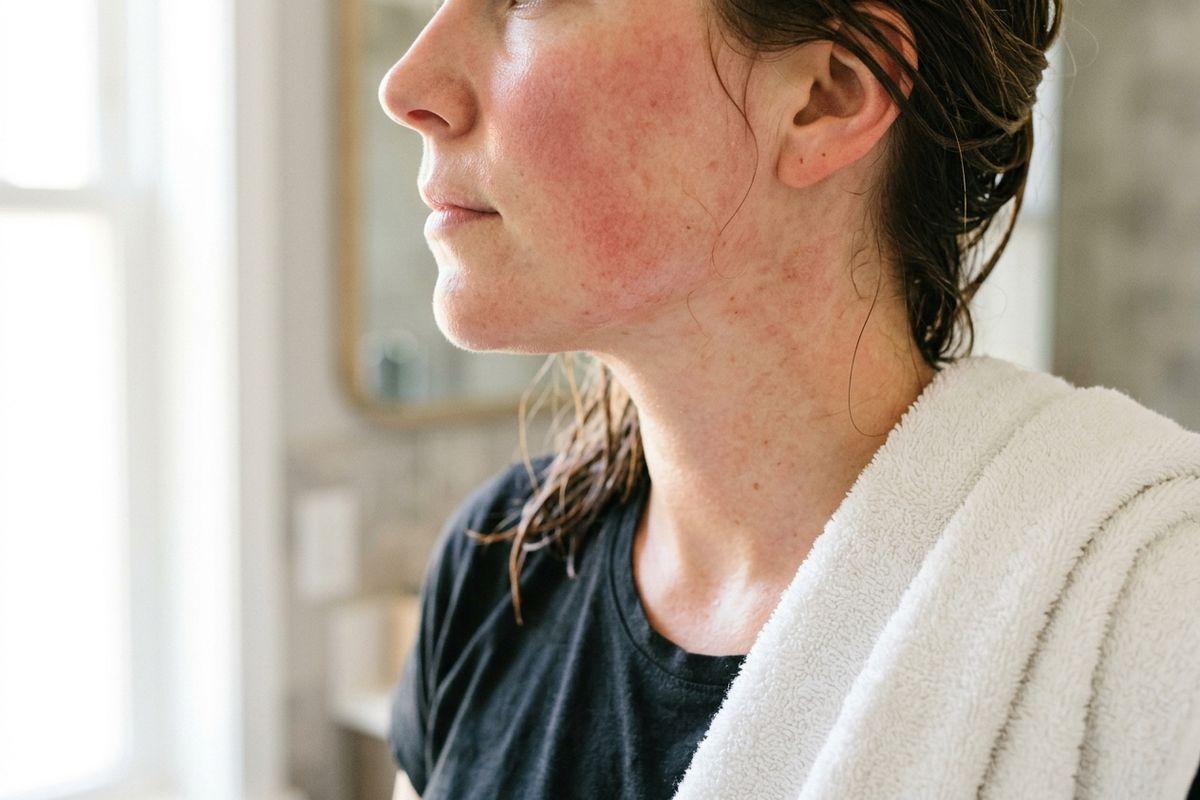
You likely have sensitive skin if it reacts with redness, stinging, itching, dryness, or bumps after contact with products, weather changes, or sun exposure. Not sure if that describes you? A one-on-one consultation helps when the cause stays unclear.
What Sensitive Skin Actually Means
Sensitive skin reacts to things other skin types ignore, like a scented lotion or a gust of cold air. Your skin barrier, the outer layer that holds moisture in and keeps irritants out, affects how strongly you respond.
Sensitivity can appear anywhere, though the face usually reacts first since it handles weather, makeup, and cleansers daily. Hands and neck follow close behind.
Keep in mind that this isn’t a diagnosis on its own. Reactive skin can also come with rosacea or eczema, which have their own patterns and treatments.
5 Signs Your Skin Is Sensitive
Sensitivity rarely announces itself in one dramatic moment. Small, repeating patterns tell you more than any single bad day. Watch for the ones you may have stopped noticing:
- Redness, flushing, or small red bumps
- Itching that comes and goes
- Stinging or burning after cleansing
- Dryness with a tight, pulled feeling
- Flaking or peeling patches
How long a reaction lasts matters too. Flushing that fades within 20 minutes usually points to a passing trigger, while redness that stays put for 2 days is worth mentioning to a professional.
How Sensitive Skin Affects You
Having sensitive skin means you need to take extra care to protect yourself.
Quick Reactions to New Products
A serum you tried last night can leave a rash along your jaw by morning. Mild swelling can appear within minutes of first application.
Patch test before you commit. Dab a small amount on your inner arm, wait 24 hours, then check the spot before it goes near your face.
Scan ingredient lists while you’re at it. Fragrance, essential oils, and high-strength acids account for plenty of reactions, so fragrance-free formulas make a safer starting point.
Sun Sensitivity
If your skin turns warm and flushed after a short time outdoors while everyone around you stays comfortable, you likely have sensitive skin.
Try mineral sunscreen with zinc oxide or titanium dioxide. These sit on the surface rather than being absorbed, and reactive skin often tolerates them better. Reapply every 2 hours when you’re outside for a stretch.
Some medications also increase sun sensitivity, including certain antibiotics and acne treatments. Ask your pharmacist if you’ve started something new.
Dry Skin or Sensitive Skin? Here’s the Difference
These two get mixed up constantly, and what helps one won’t do much for the other. Dry skin lacks moisture. It feels tight and rough, and it usually improves once you switch to a richer cream.
Sensitive skin reacts instead. It flushes, stings, and turns inflamed in response to something it touched or something in the air.
The two also overlap more often than people expect. Skin that stays dry for a long stretch loses barrier strength and grows more reactive, leaving you to manage both.
What Sets Your Skin Off
Most irritants are ordinary items you use without thinking, which is what makes them hard to identify. These come up the most:
- Scented soaps, detergents, and lotions
- Makeup with fragrance or drying alcohols
- Long, hot showers
- Wool sweaters and scratchy seams
- Cold wind followed by dry indoor heat
Winters can bring that last combination for months at a time. Stress and hormone changes also affect how reactive your skin feels from month to month, and skin thins with age, which lowers its tolerance.
How to Spot Your Own Triggers
Keep a short note on your phone. Write down when symptoms start, whether that’s after a shower, after makeup, or after time outdoors.
Then list what touched your skin that day. Patterns usually surface within a couple of weeks, and the culprit becomes clear. Bring the note to your appointment, since it gives your esthetician concrete details to work from.
How to Care for Sensitive Skin
Wash with a gentle cleanser and lukewarm water, then pat your face dry with a soft towel instead of rubbing. Follow with a fragrance-free moisturizer while your skin is still damp.
Apply sunscreen every morning, even on grey days.
Pull back on strong actives like retinol and exfoliating acids while things settle. Fewer ingredients mean fewer chances to react, and you can add them back one at a time later.
Can Sensitive Skin Calm Down Again?
Yes, symptoms often ease once you simplify your routine and stick with gentle products. Fewer ingredients mean fewer chances to react.
Supporting your skin barrier also helps reduce how often flare-ups appear, so those pink patches show up less frequently.
Treatments Worth Asking About
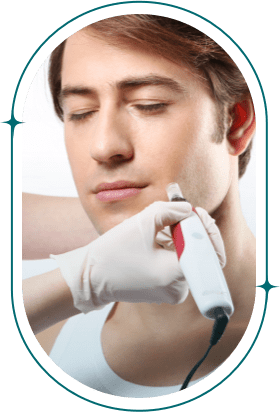
An esthetician trained in reactive skin can assess what’s happening and suggest options suited to your skin’s current sensitivity.
Gentler treatments often work for reactive skin, including lower-strength chemical peels, IPL for persistent redness, and microneedling once your barrier is stable.
Services like dermal fillers and nonsurgical eyelifts can be discussed once your skin feels settled.
Care That Meets Your Skin Where It Is
Reactive skin doesn’t have to dictate your routine or your plans. Pay attention to how your skin responds day to day, then bring those details to someone who can help you make sense of them.
Elevate Eyes & Medical Esthetics offers personalized consultations focused on what works for you, not everyone else. Book an appointment and start a plan shaped around your skin.