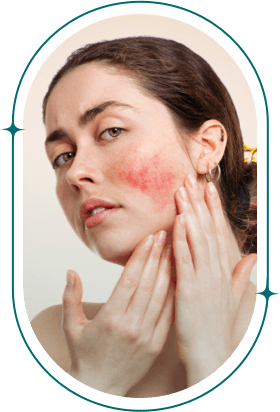

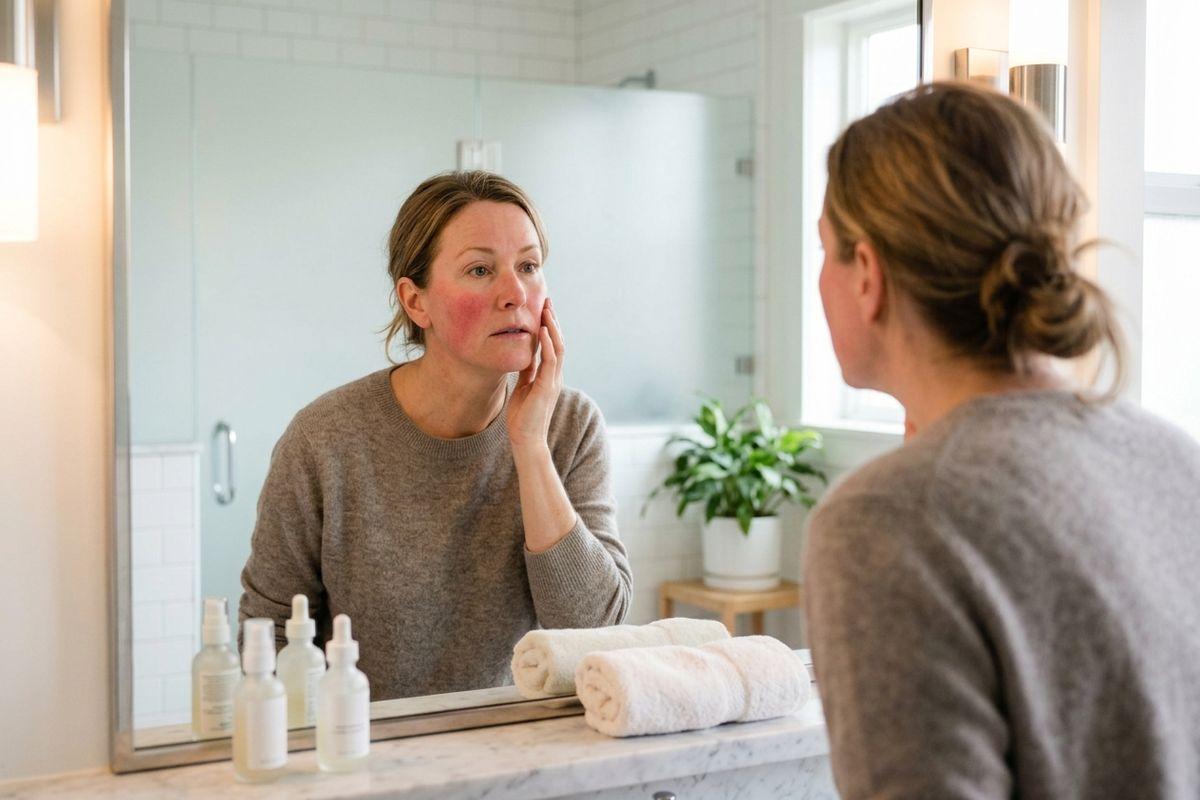
Most people know rosacea for the redness and flushing it causes on the face. What you feel on your skin can vary from person to person, and burning or stinging is common.
Rosacea can make your skin itchy, but itching happens less often than burning or stinging. Once you know what rosacea feels like, you can choose products that suit your skin, and medical-grade skincare can help you manage flare-ups day to day.
Common Rosacea Symptoms to Watch For
Rosacea is a long-term skin condition that tends to come and go in flare-ups. Look for these signs on your face:
- Redness that doesn’t fade the way a normal blush does
- Flushing that comes and goes
- Small blood vessels you can see under the skin
- Small red bumps
- Pus-filled pimples that look like acne
Rosacea usually appears on the cheeks, nose, chin, and forehead. Some people also get it on the scalp, neck, chest, or ears, though that’s less common.
Can Rosacea Cause Itchiness?
Itching with rosacea is possible, but it’s not the most common symptom. People more often report burning and stinging. If your rosacea involves a lot of bumps, itching may be more likely to show up alongside the other sensations.
Researchers don’t fully understand why rosacea itches. Inflammation may switch on the itch receptors in your skin. Rosacea can also weaken your skin barrier, which is the outer layer that keeps irritants out and moisture in.
You’ll usually feel the itch where you see redness or bumps. If you have the bumpy type, you may notice itching more often.
Can Rosacea Make Your Eyes Itchy?
Rosacea doesn’t always stay on your skin. People with rosacea can also have symptoms in their eyes, which is called ocular rosacea.
You may not connect the 2 at first, since eye symptoms can feel milder than a skin flare. Watch for a few of these signs:
- Itchy eyes
- Dryness
- A gritty feeling, like something’s stuck in your eye
- Red, swollen eyelids
- Sensitivity to light
If your eyes feel irritated for more than a few days, book an eye exam. Your optometrist can check your eyelids and tear film, the thin layer of tears that covers the front of your eye. They may also suggest lubricating eye drops, sometimes called artificial tears, which can help ease dryness.
Rosacea vs. Eczema and Other Itchy Skin Conditions
A few skin conditions look a lot like rosacea, and some of them itch more. Here’s what people often mix up with it:
- Eczema, which causes itchy, inflamed, rash-like patches
- Contact dermatitis, which is a reaction to something that touched your skin, like a soap or perfume
- Seborrheic dermatitis, which leaves red, flaky patches around the eyebrows and the sides of the nose
If itching bothers you more than redness, eczema or contact dermatitis could be the cause. Have a skincare professional look at your skin before you start a new treatment, so you know what you’re dealing with.
What Triggers Rosacea Flares
Rosacea flares don’t always come out of nowhere. Certain triggers tend to set them off, and your triggers may look different from someone else’s. Watch for these:
- Sun exposure
- Hot or cold weather
- Alcohol
- Spicy food
- Stress
Some skincare and hair products can irritate your skin too. Jot down when your skin reacts and what you did that day. After a few weeks, you may start to see a pattern you can work around.
How to Soothe Itchy Rosacea at Home
When your skin feels hot or itchy, try these gentle steps:
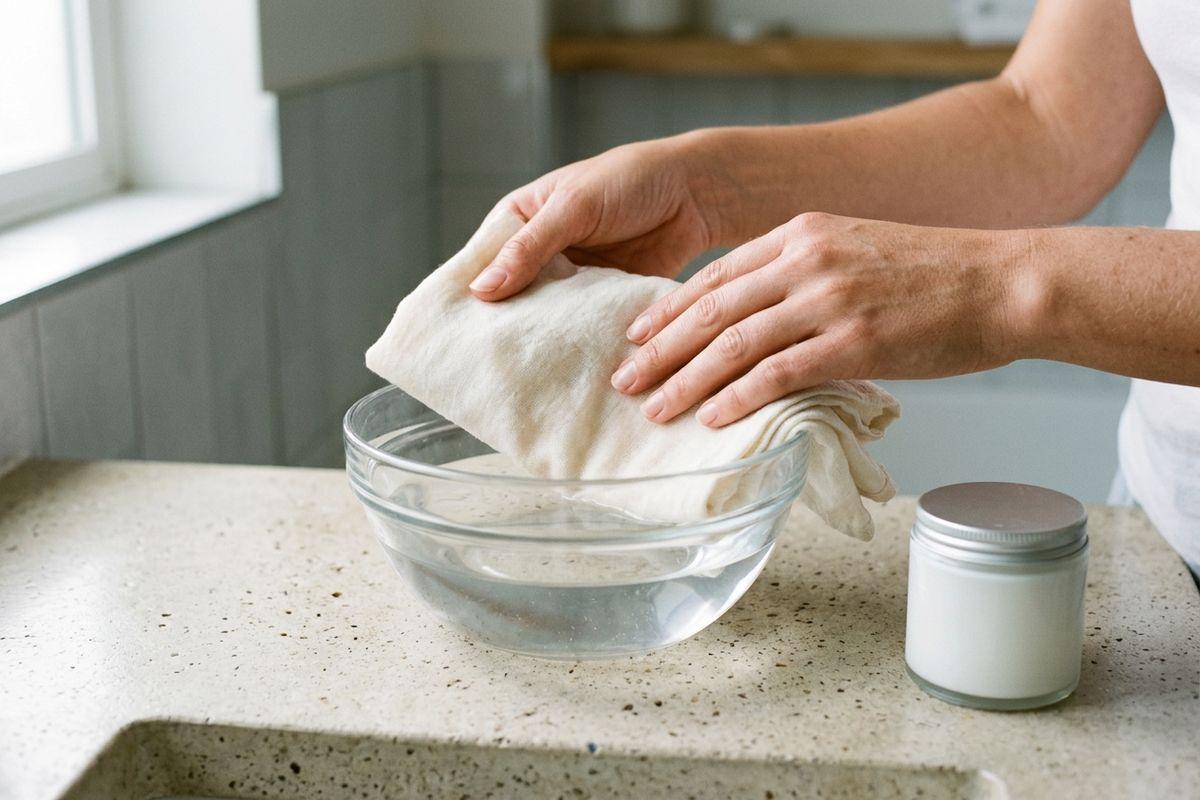
- Hold a cool, damp cloth on the area for a few minutes
- Use a fragrance-free moisturizer made for sensitive skin
- Wash your face with lukewarm water instead of hot
- Apply broad-spectrum sunscreen every morning
Pick a gentle cleanser without alcohol or fragrance, since both can sting reactive skin. And try not to scratch. It can irritate your skin further and may make the redness look worse.
Professional Treatment Options for Rosacea
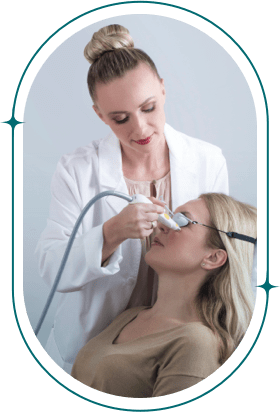
If redness or discomfort sticks around, our team can help. IPL treatment uses gentle pulses of light and can help reduce visible redness and small blood vessels.
We may also suggest medical-grade products with ingredients chosen for sensitive, reactive skin. Every plan starts with a conversation about your skin and what bothers you, so your routine fits your needs.
Find Out What’s Behind Your Itchy Skin
Itching that keeps coming back is worth talking through with someone who can look at your skin up close. And if your eyes feel dry or gritty too, our optometrists can check those as well.
At Elevate Eyes & Medical Esthetics, we start with a one-on-one consultation to learn about your skin and your goals. Book your consultation and let’s find a plan that helps your skin feel more comfortable.